Calligraphies and
Art Works
Introduction Zen calligraphy
by John Stevens
The use of calligraphy and painting is one of the primary teaching vehicles of Zen Buddhism. It is well understood in the Zen tradition that contemplation of enlightened art fosters awakening no less than sitting in meditation, studying a sacred text, listening to a sermon, or going on pilgrimage. Proclaiming the Dharma with a brush and ink is as important, and effective, as proclaiming it with the spoken word, in sutras and texts, in chanting and ritual. One of the seals that Hakuin stamped on his brushwork read, “Paintings to liberate sentient beings.” (Tibetan Buddhists say the same thing about thangka paintings: “Liberation through beholding.”) Zen masters applied their insight to calligraphy and painting to challenge, inspire, instruct, and delight all those who choose to look.
In Zen brushwork, technique is important as a guideline providing structure and composition, but it is essentially just an aid. When a Chinese emperor asked a renowned calligrapher how to hold the brush he was told, “If your mind is correct then the brush will be correct.” If one’s mind is crooked or warped, so will be one’s technique. When there is unity of brush, ink, paper and subject with the Buddha mind, the strokes come alive and the teaching imparted becomes vivid.
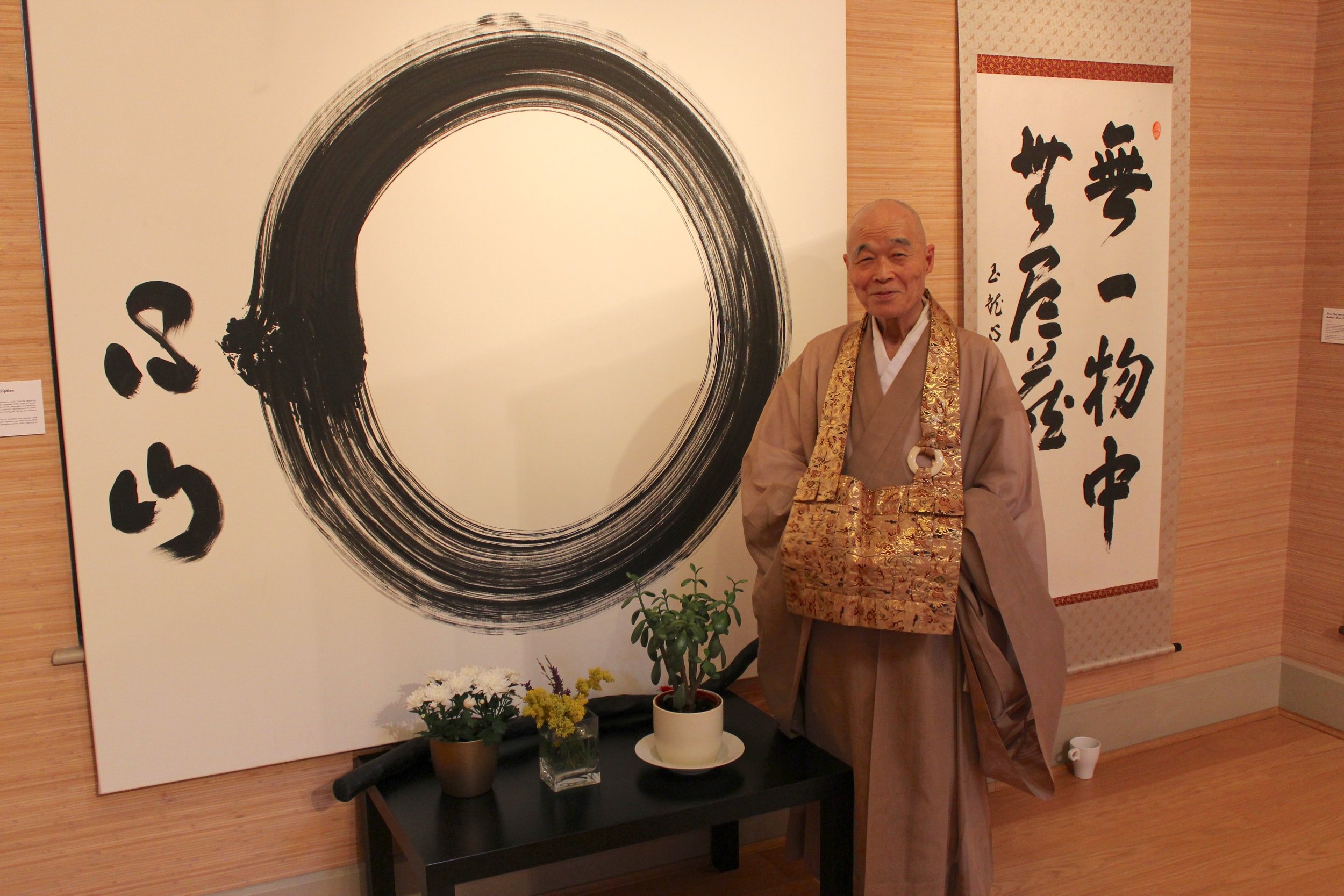
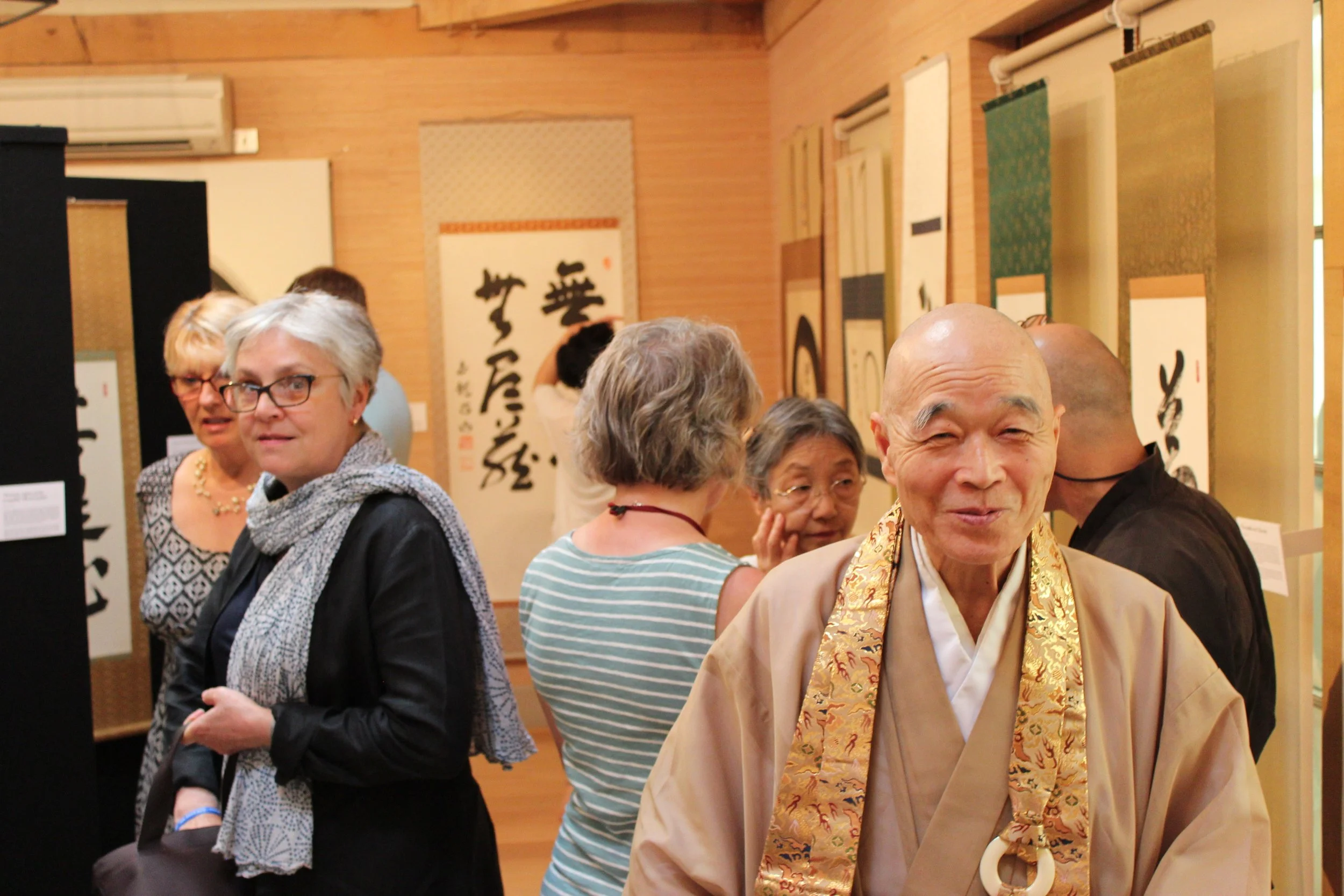
Shizan Roshi’s brushwork is anchored in the classical tradition of Zen art. This exhibition of his work displays all the central themes of Zen calligraphy.
Daizan Roshi’s commentary on some of Shinzan’s works
Within the culture of East Asia, mastery of the brush encompasses the highest of all art-forms. There is a long-standing tradition (as there is also in the west) that the character is communicated directly through the writing. For centuries, collectors have gathered samples of the writing of admirable people.
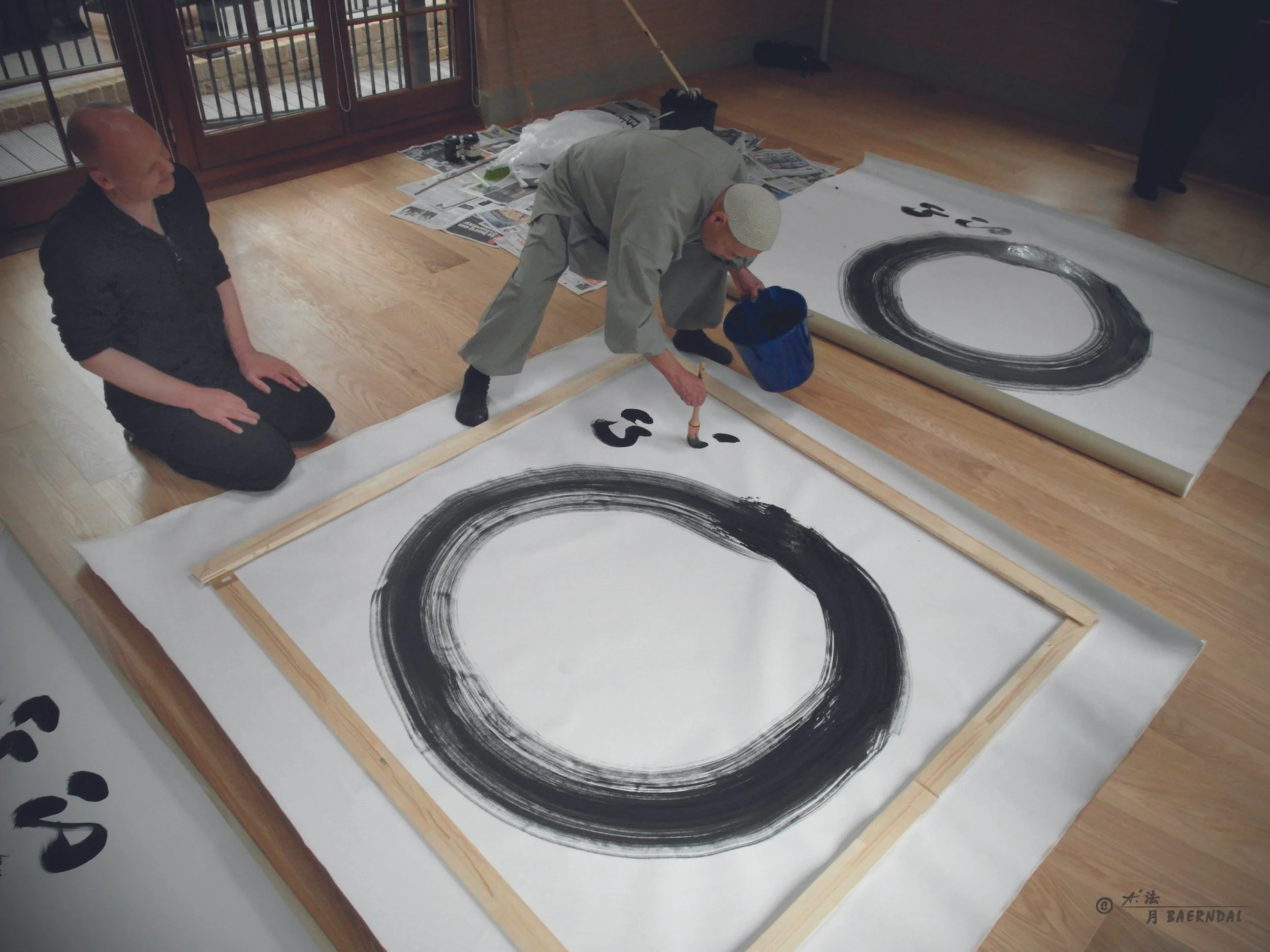
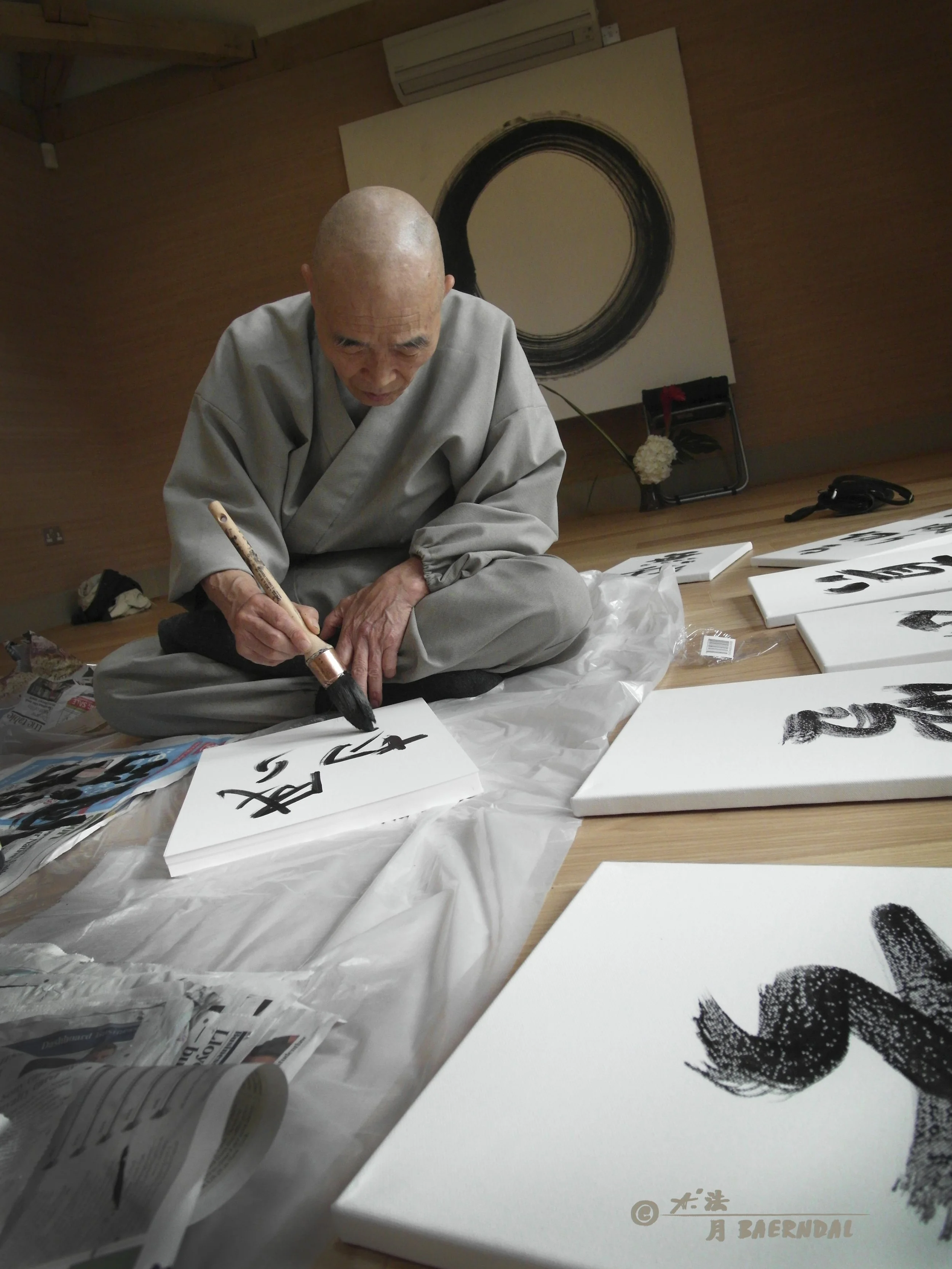
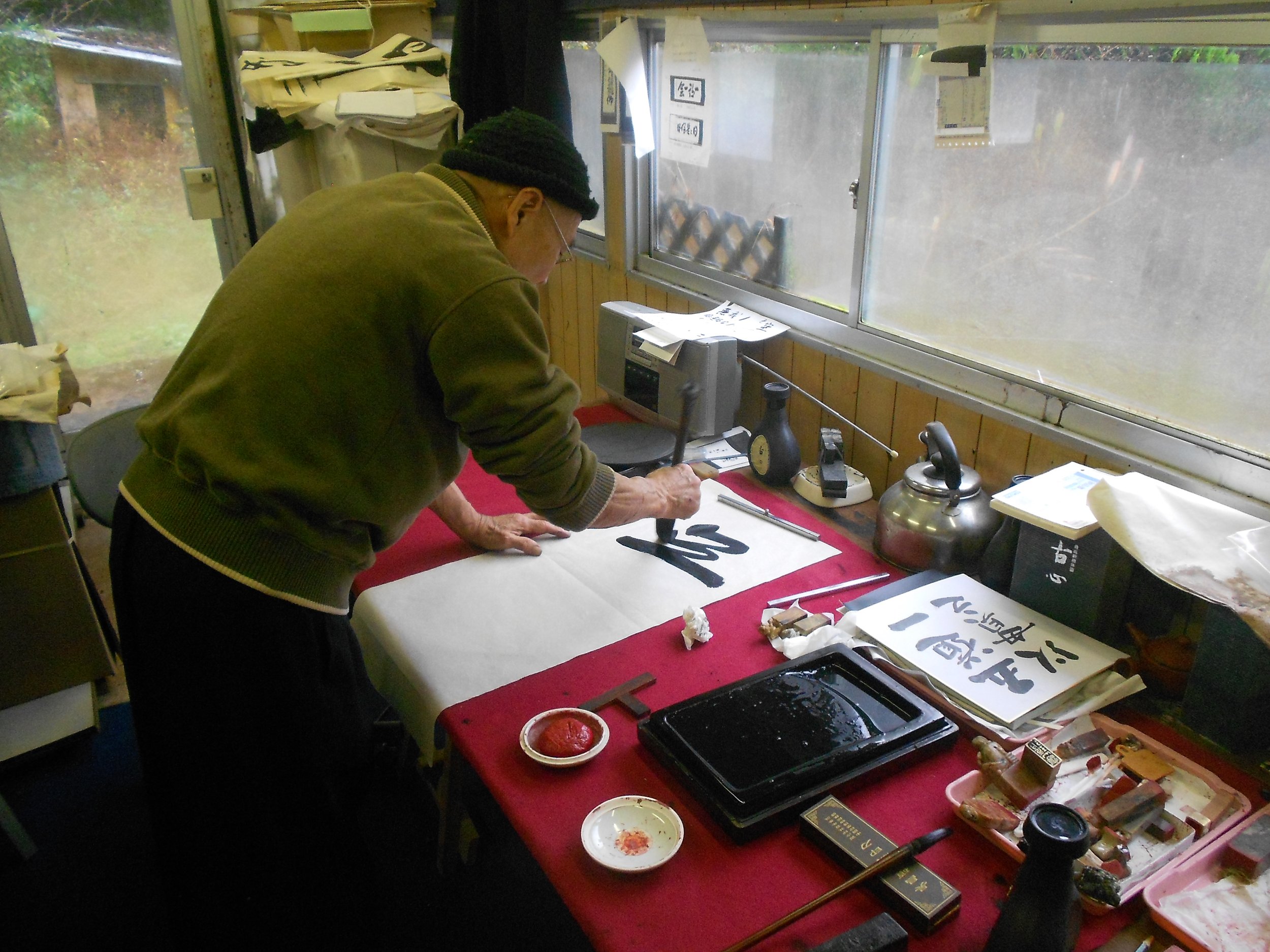
There are many styles of calligraphy. The Zen style, called in Japanese, bokuseki, ‘ink traces’, is often characterised by bold, assertive, and informal brush strokes embodying the calligrapher’s enlightened presence. Technique, clarity and comprehensibility are all considered less important than this directness. A Westerner, who doesn’t read characters and an Easterner who does, may not be in a very different position when it comes to ‘reading’ the work of the Zen masters. Bokuseki invites a heart-level meeting with the artist’s presence transmitted through the encounter of brush and paper. For those of us unable to live day-to-day with a Zen master, the “glad and joyful” presence spoken of by the Cloud of Unknowing above can thus be touched through living with the artwork.
This can be found, for example, in the apogee of Japanese culture, the tea ceremony. Although, architecture, garden design, flower-arranging, cuisine, ceramics, and many other arts contribute, they can all be seen as providing the perfect context in which to encounter the awakened awareness within the centrepiece—the scroll painted by a Zen master hanging in the teahouse alcove.
Generally speaking, Zen masters will turn their attention towards painting and calligraphy in later years. The works here are created after half a century of full-time Zen cultivation by a fiercely independent master.
![DSCN0703[1].JPG](https://images.squarespace-cdn.com/content/v1/693c15e00a0d522f9da83661/d8427dd1-6368-4435-a0b7-6529cc8c03a4/DSCN0703%5B1%5D.JPG)
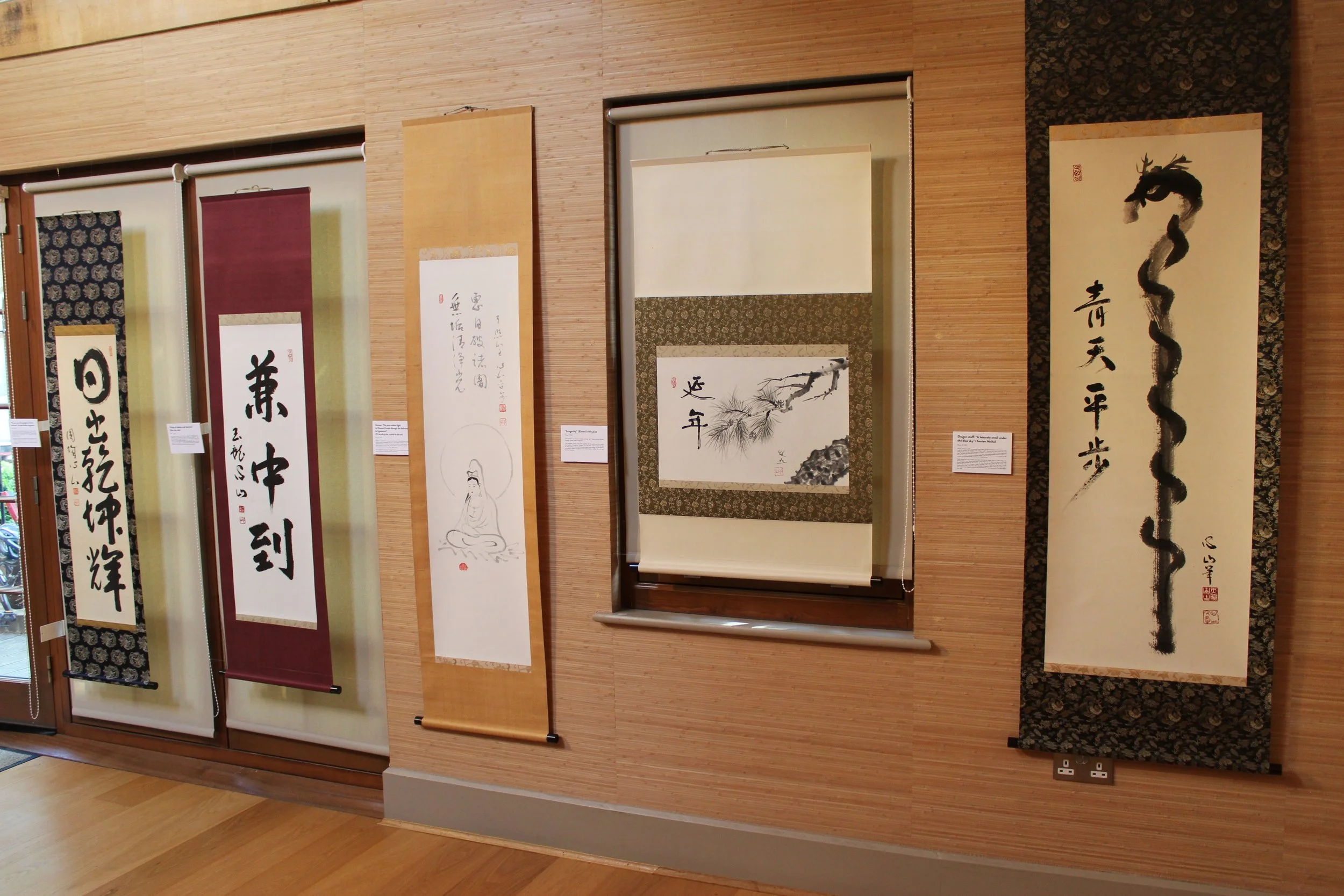
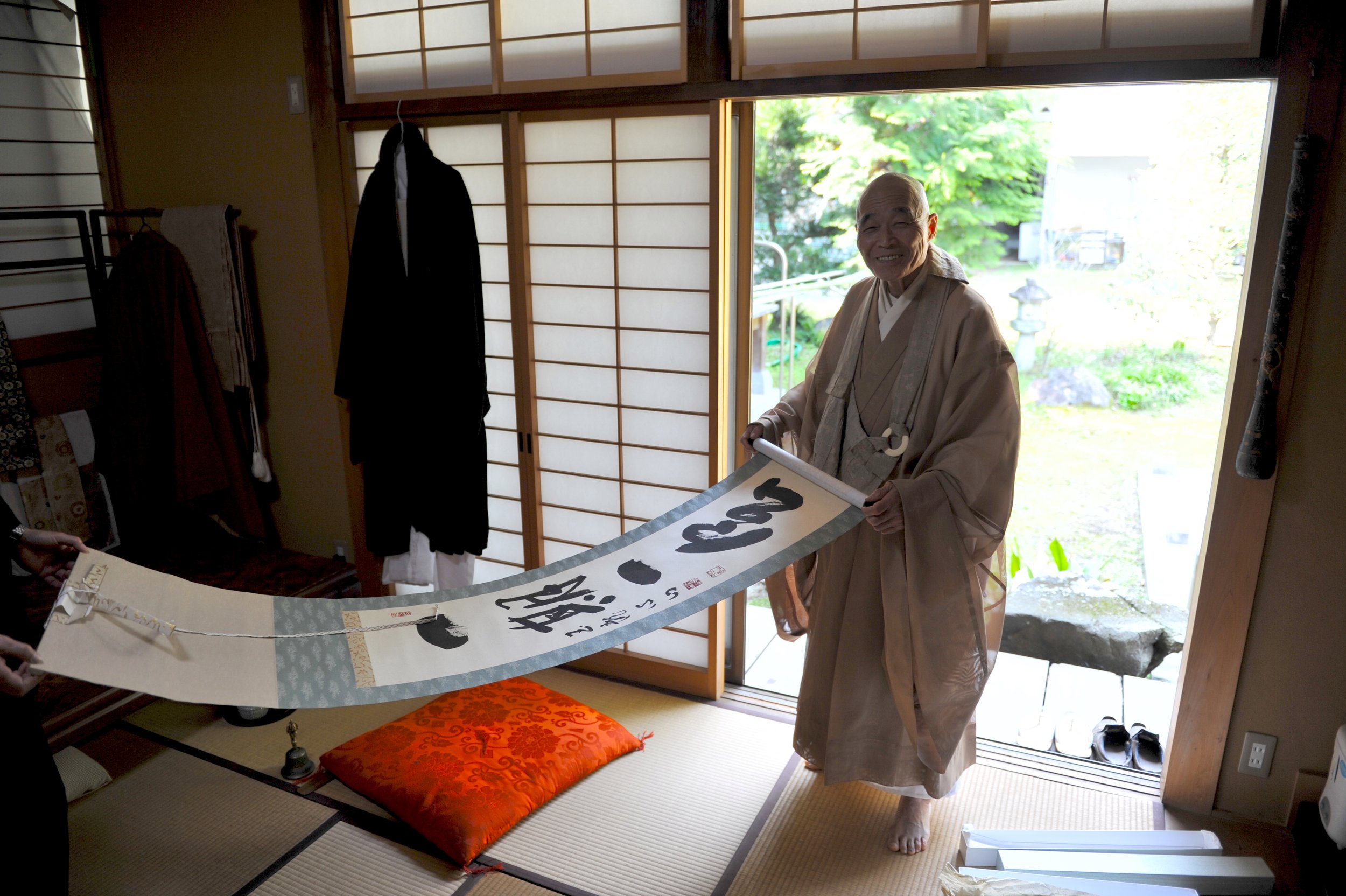
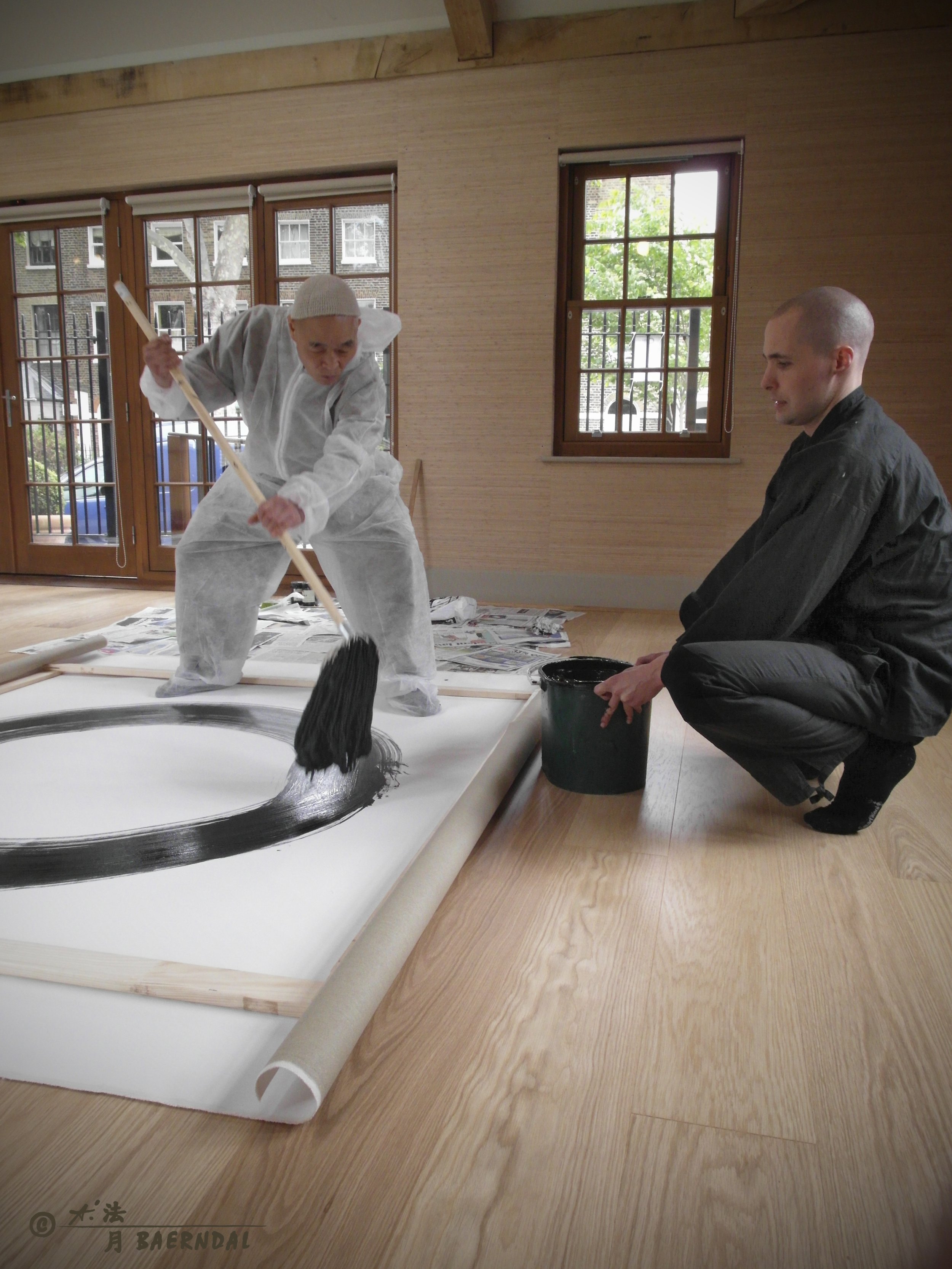
Gallery of Shinzan’s Artwork
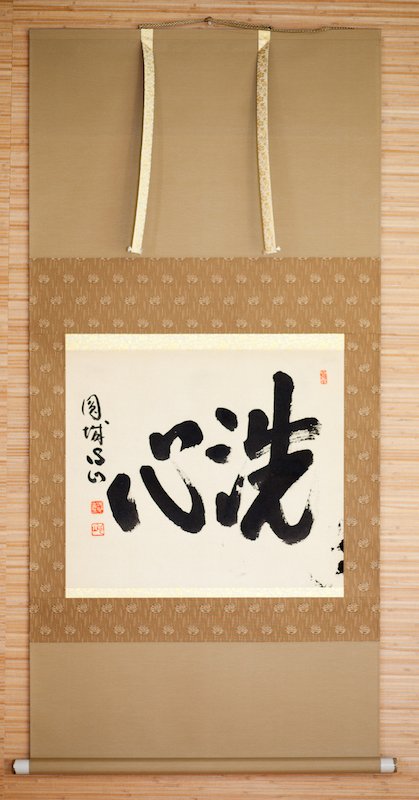
Sen Shin 1 - Purify the Heart/Mind
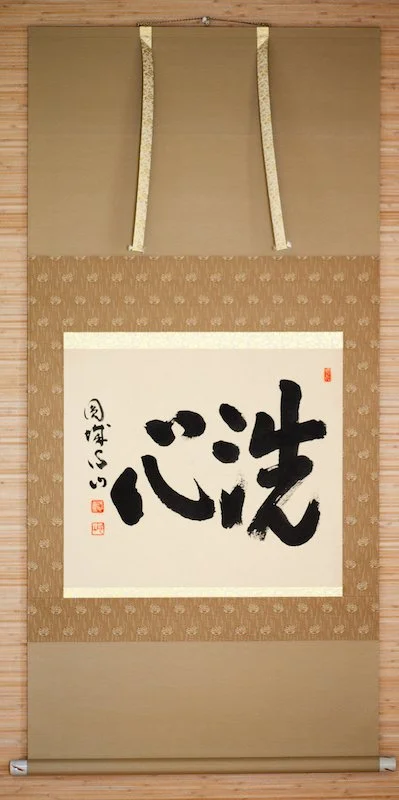
Sen Shin 2 - Purify the Heart/Mind
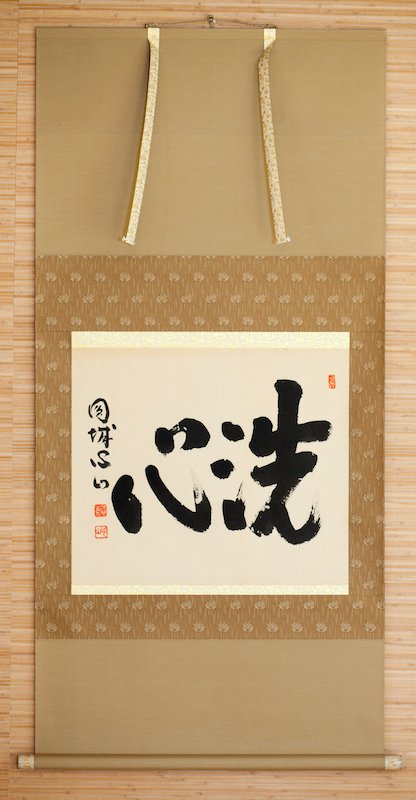
Sen Shin 3 - Purify the Heart/Mind
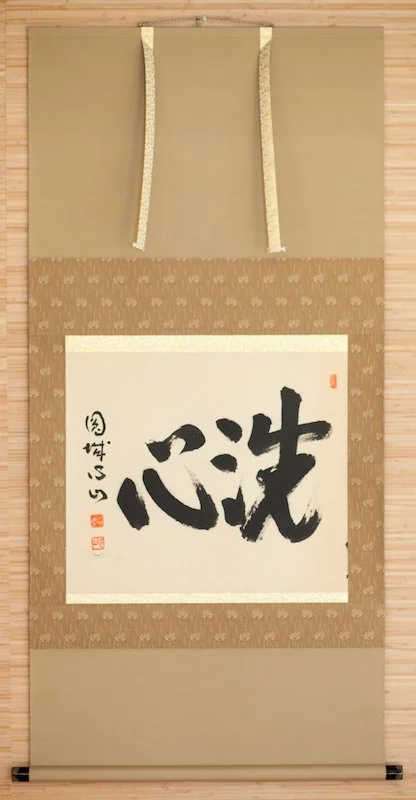
Sen Shin 4 - Purify the Heart/Mind
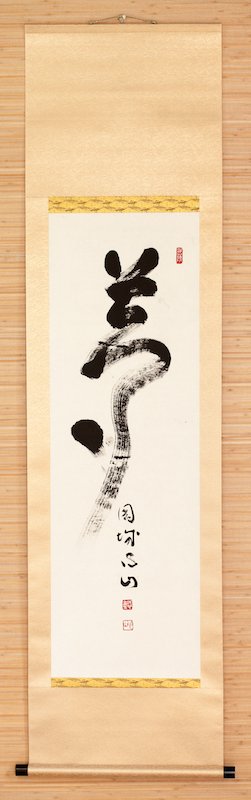
Yume 1 - Dream
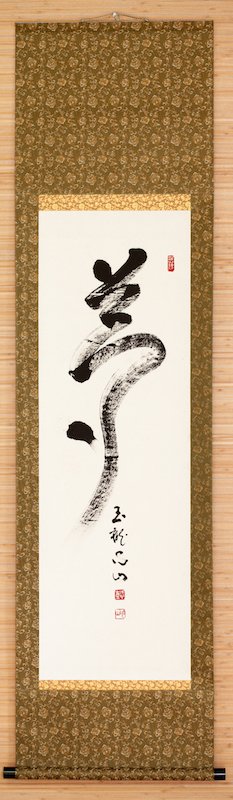
Yume 2 - Dream
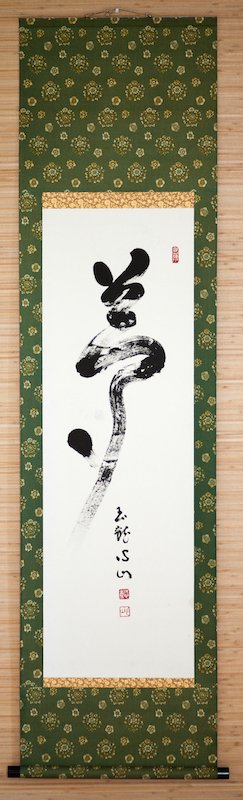
Yume 3 - Dream
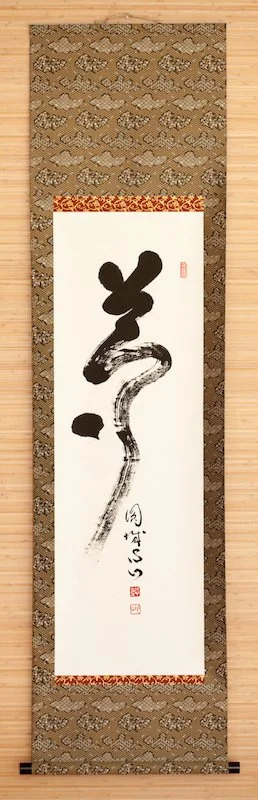
Yume 4 - Dream
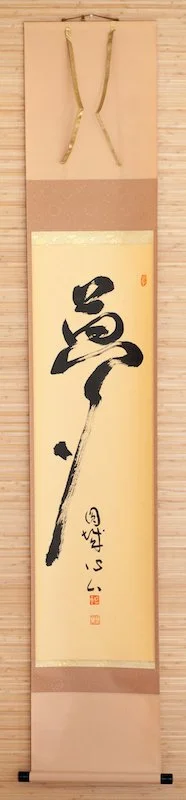
Yume 5 - Dream
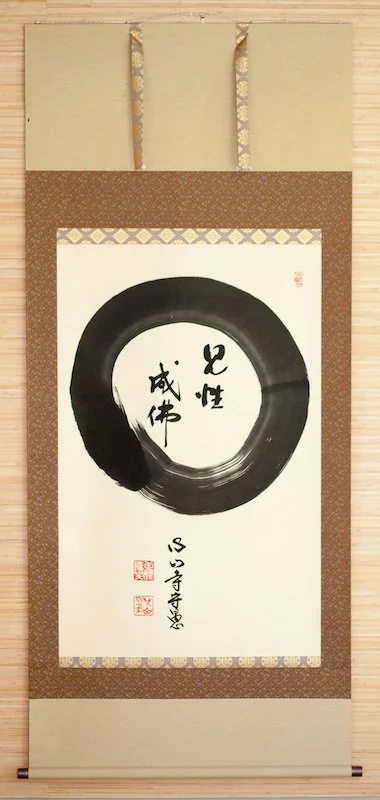
Enso: “See your own nature, become Buddha” - Kensho jobutsu
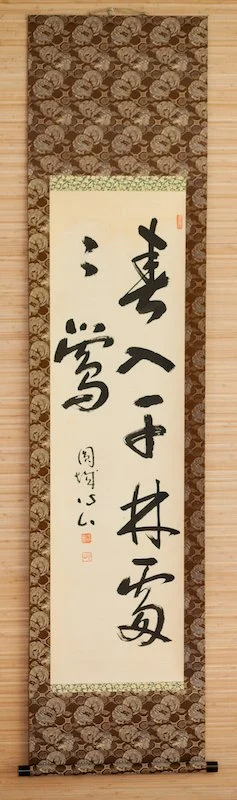
entering spring forest
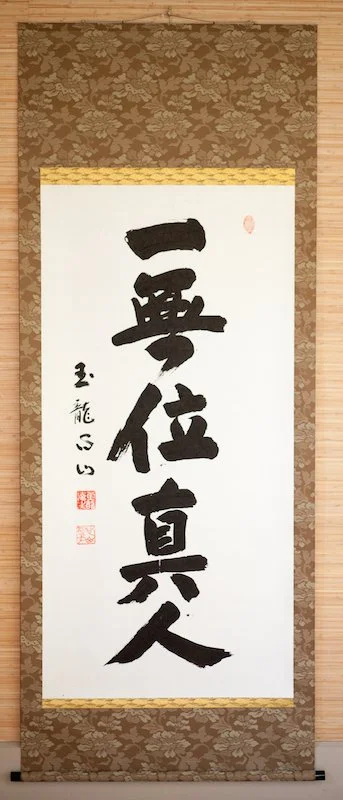
True Person of No Rank - Ichi-mui no shinnin
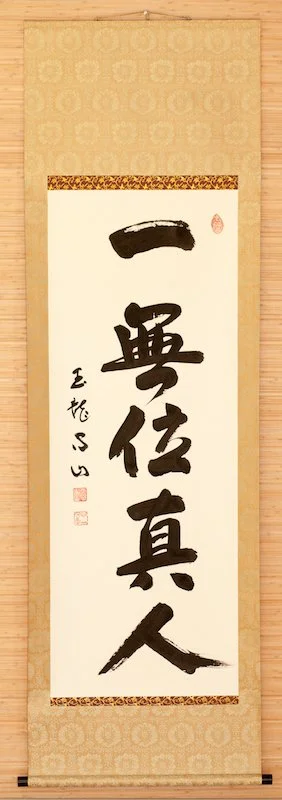
True Person of No Rank - Ichi-mui no shinnin
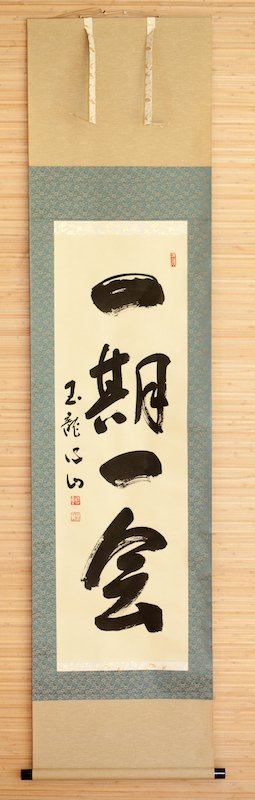
Ichi Go Iche E - One Time One Moment
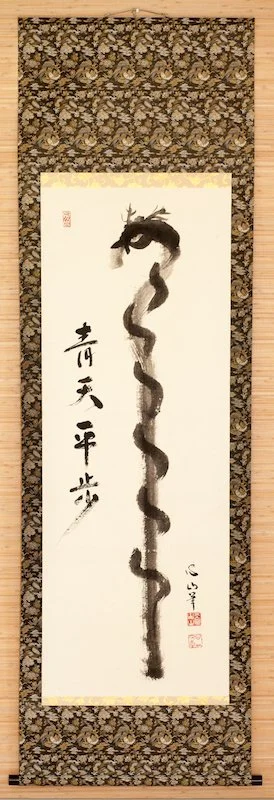
Dragon staff “A Leisurely Stroll Under the Blue Sky” - Senten heiho
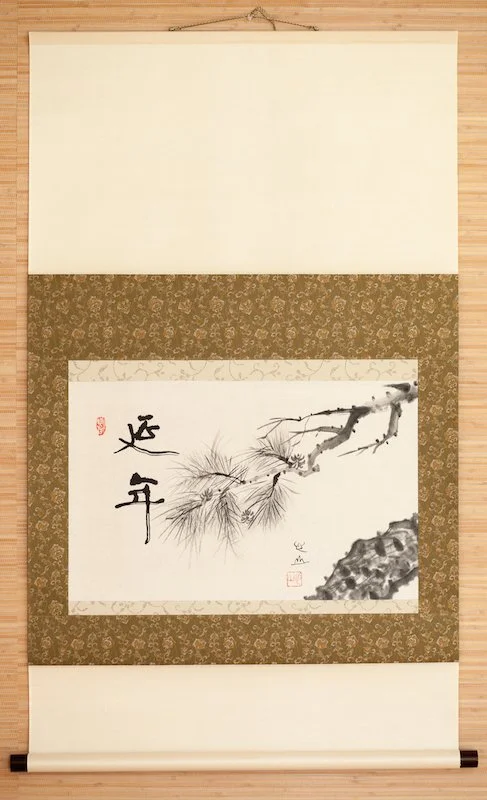
Long Life with Pine
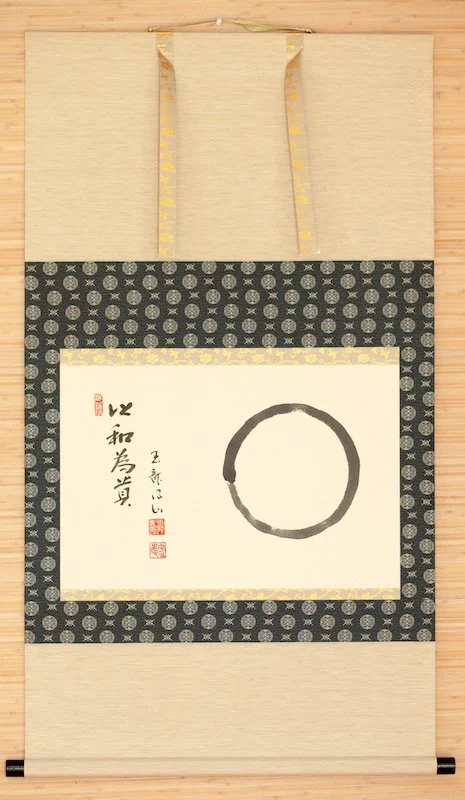
Nothing Is More Precious
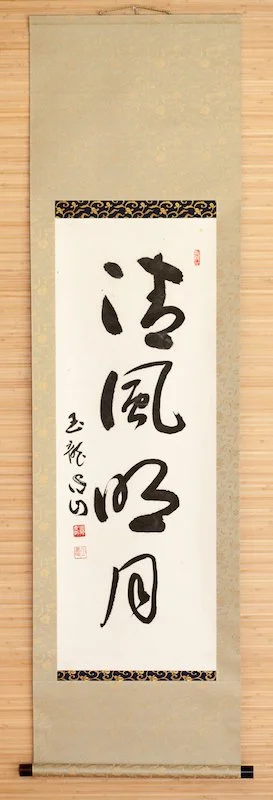
Pure Breeze
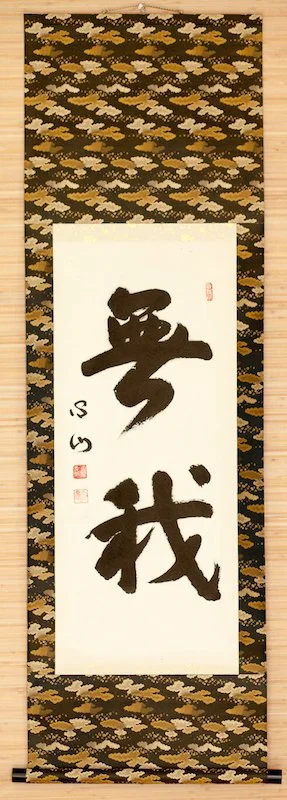
Muga
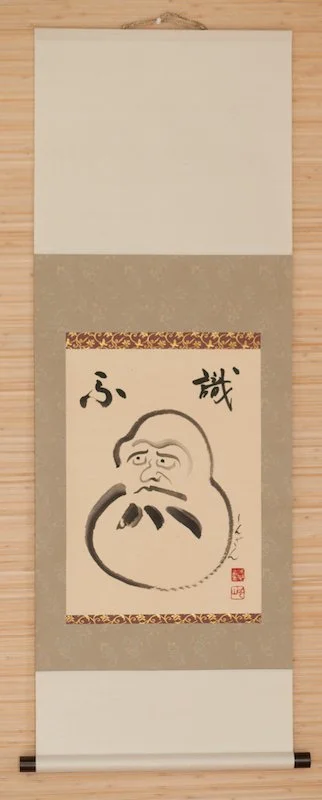
Fushiki
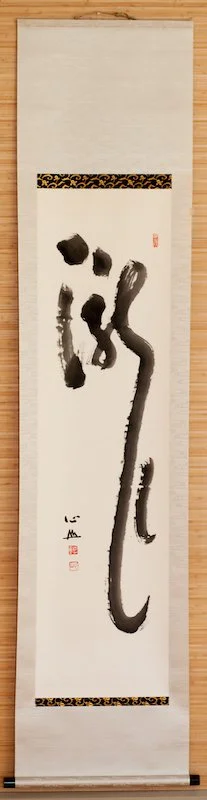
Waterfall - Taki
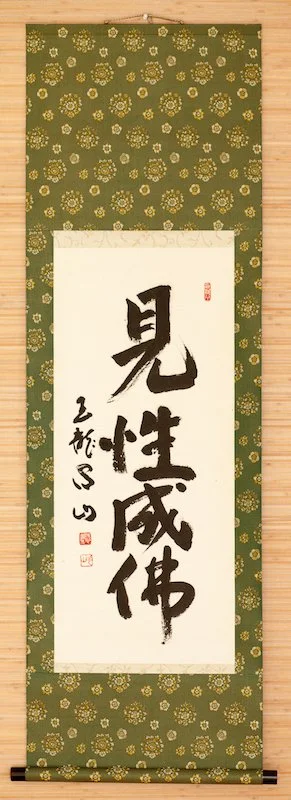
Kensho Jo Butsu
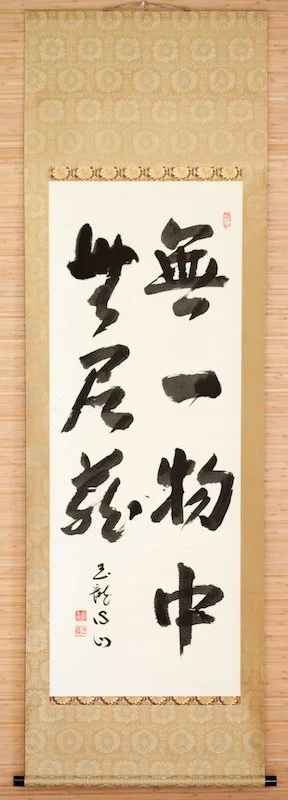
Within Nothingness there are Inexhaustible Treasures - Mu Ichi Motsu Chu Mujinzo
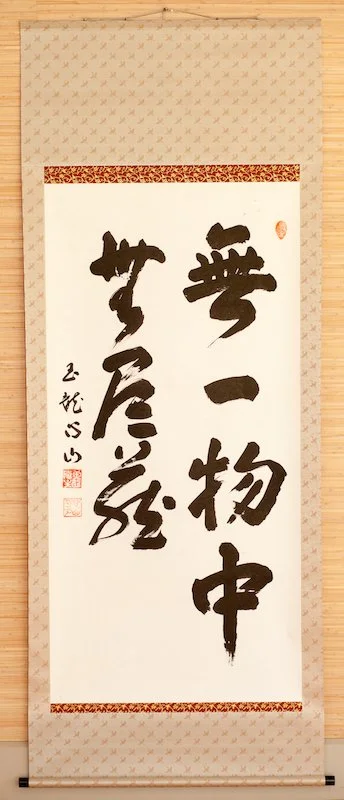
Within Nothingness there are Inexhaustible Treasures - Mu Ichi Motsu Chu Mujinzo
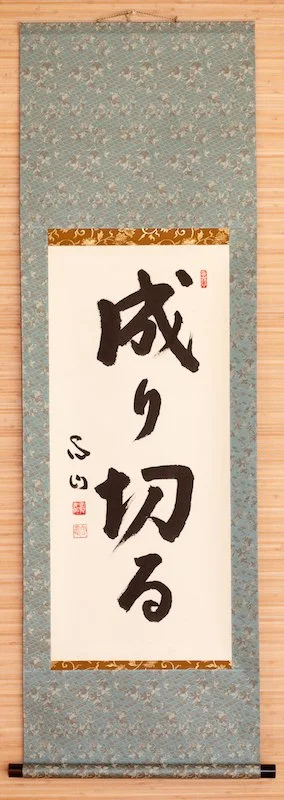
Nari Kiru
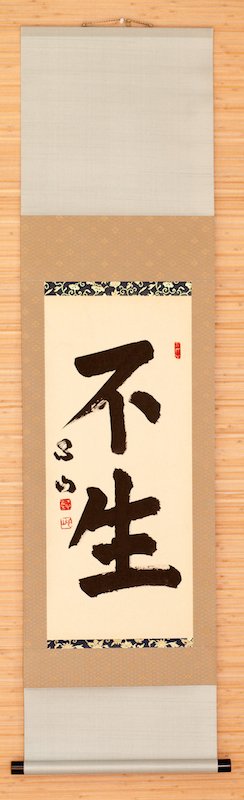
Fusho
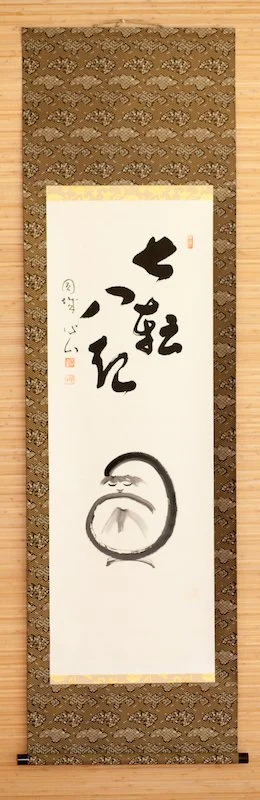
Seven Times Down, Eight Times Up
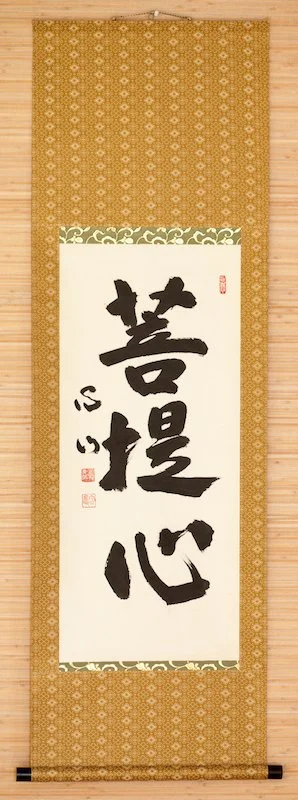
Bodaishin
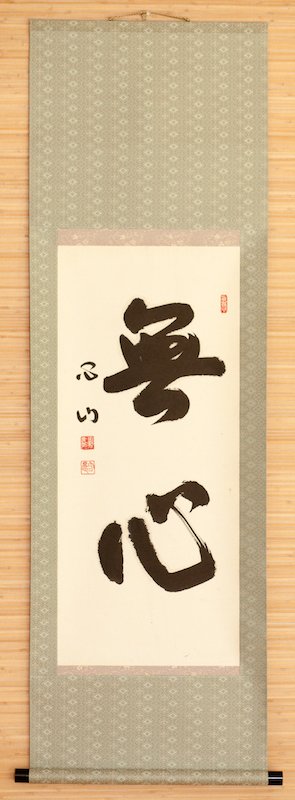
Mu Shin
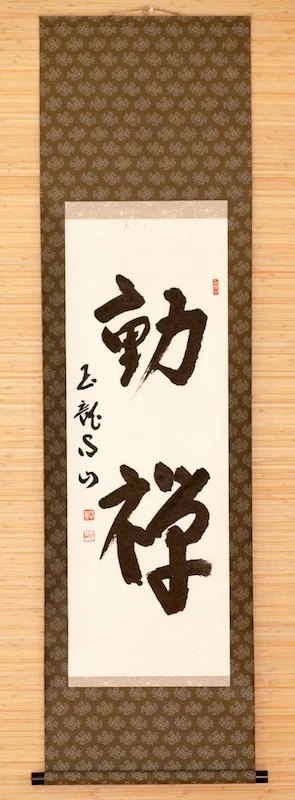
Moving Zen - Do-zen
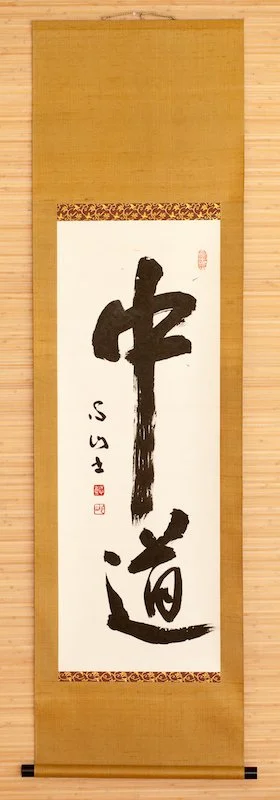
Middle way - Chudo
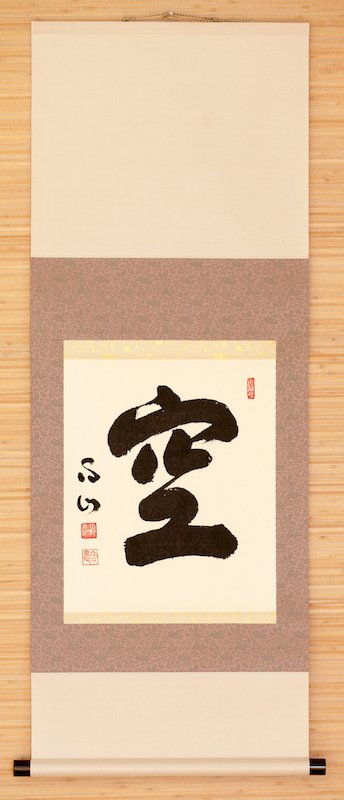
Emptiness - Ku
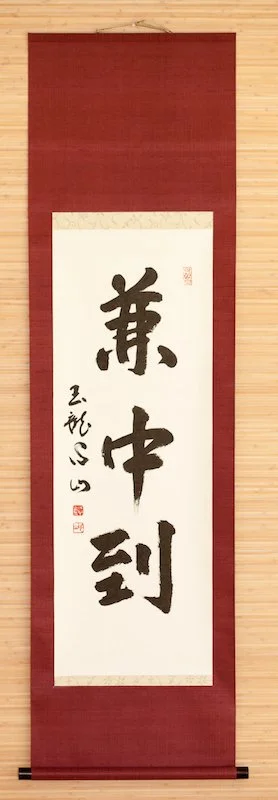
Hen Chu So - Relative Middle Absolute
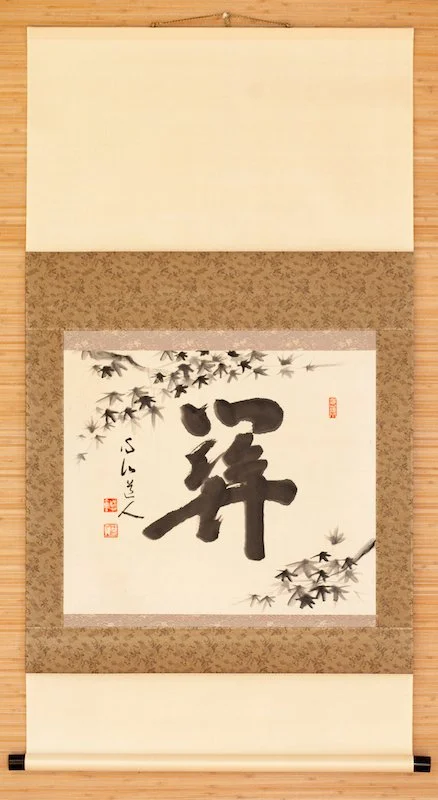
Kan - Barrier
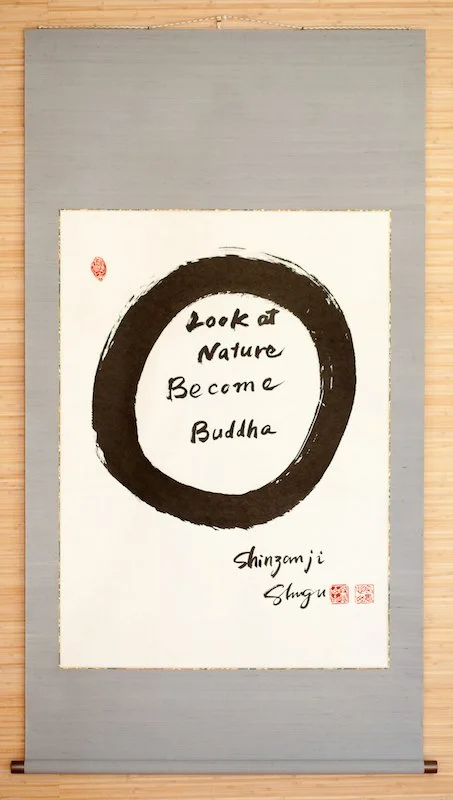
Look At Nature Become Buddha Enso
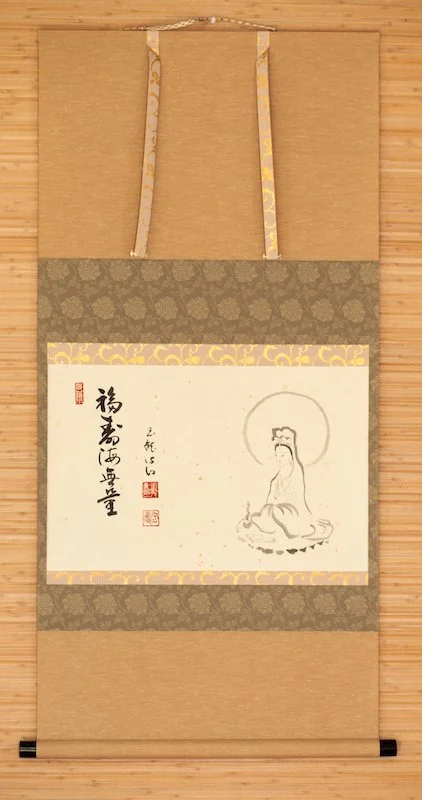
Kannon: An Unlimited Ocean of Good Fortune and Longevity - Fukuju kai mu ryo
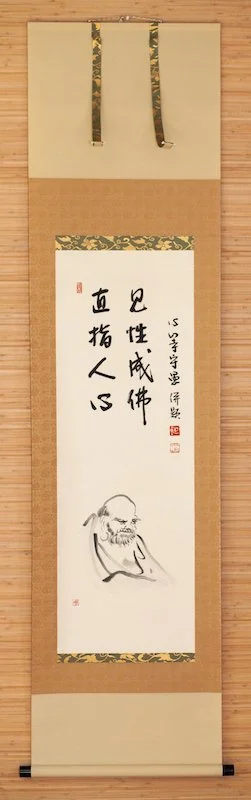
Daruma: “Pointing Directly to the Heart/Mind, See your own Nature, become Buddha - Jikishi ninshin, kensho jobutsu)
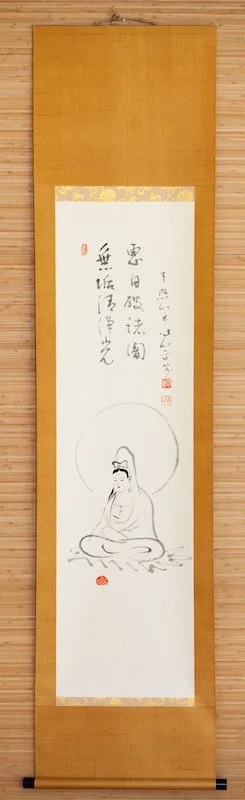
Kannon Wisdom of Light
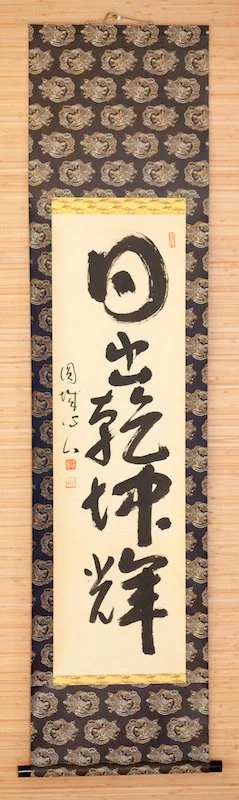
Sun Rises
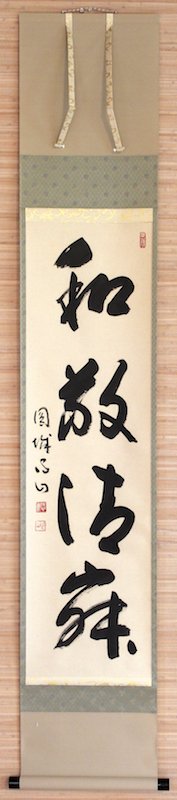
Harmony, Respect, Tranquility
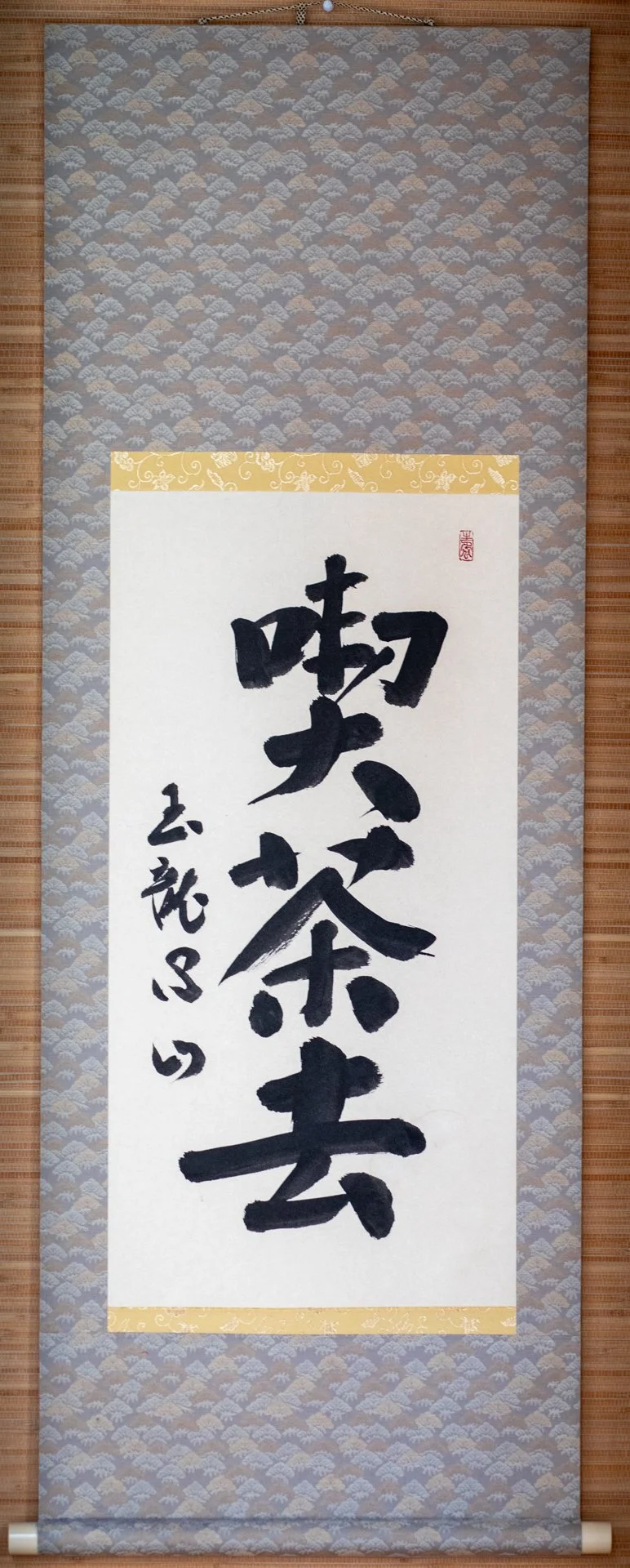
Have some tea - Kissako
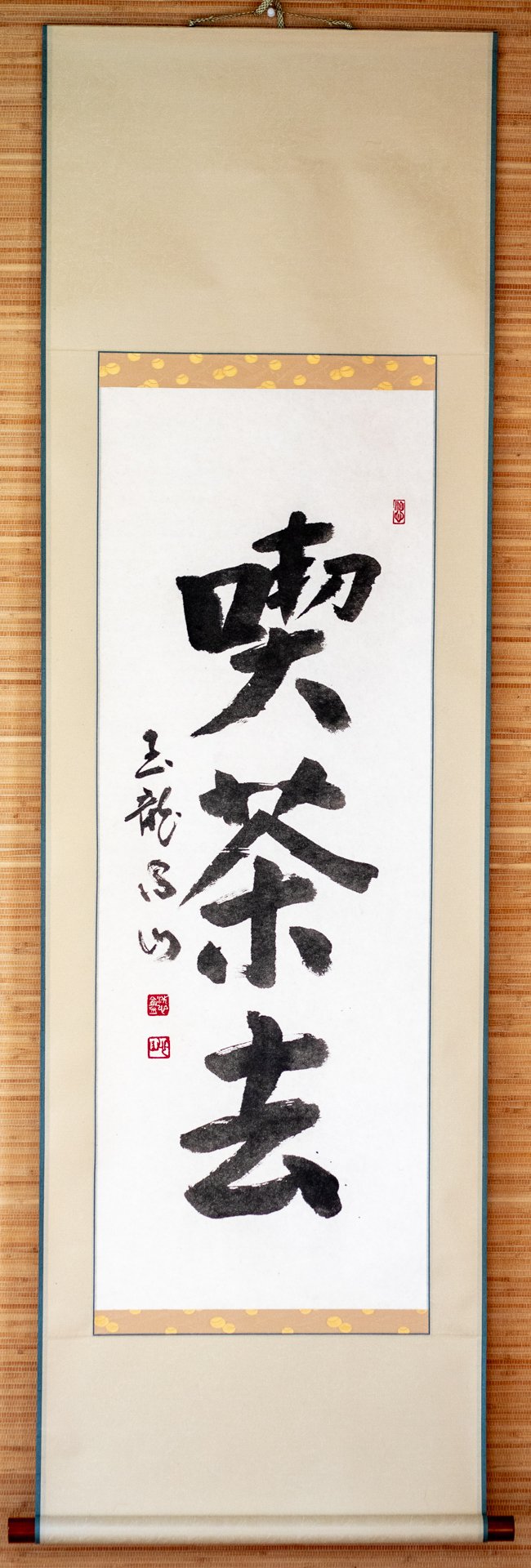
Have some tea - Kissako
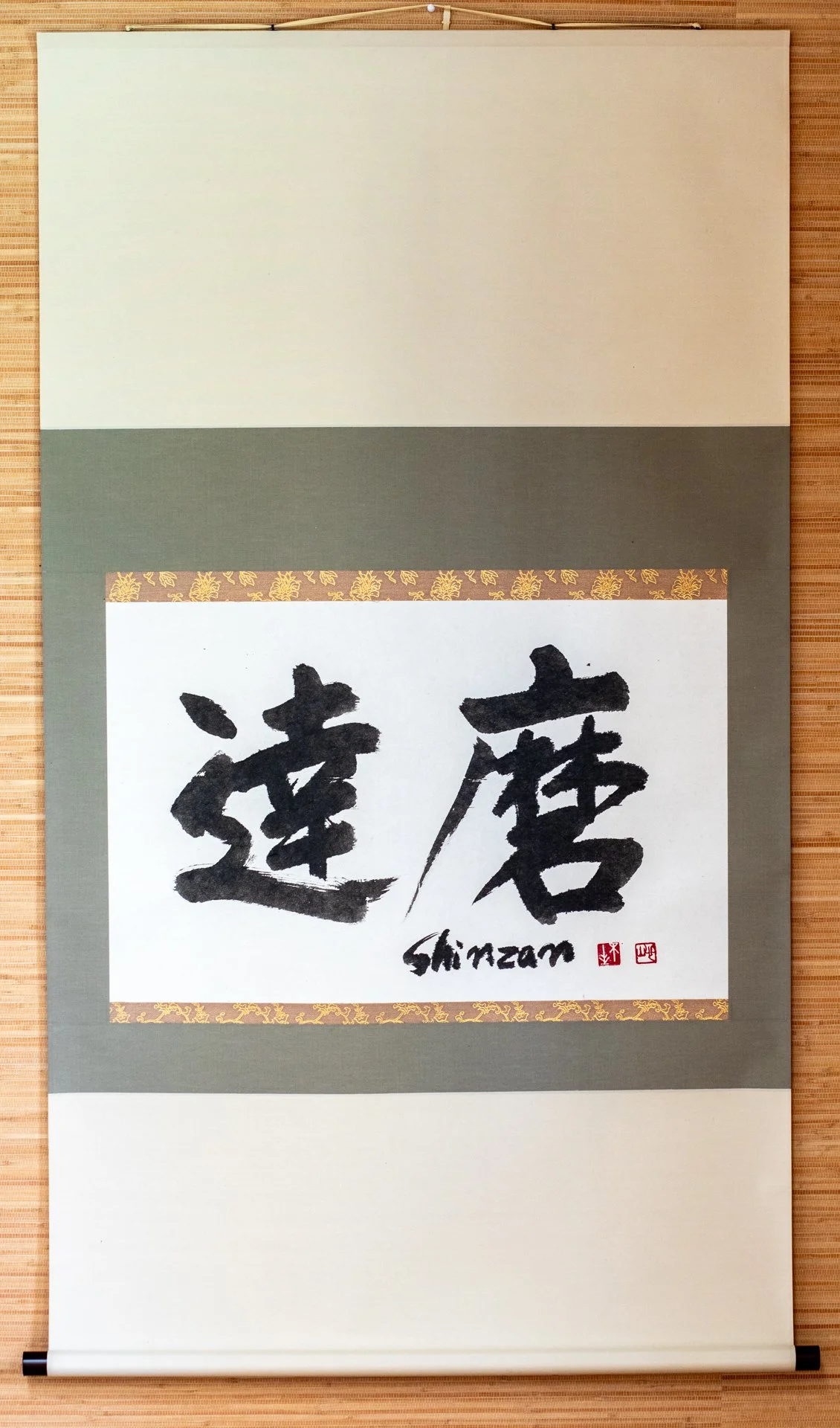
Dharma/Daruma
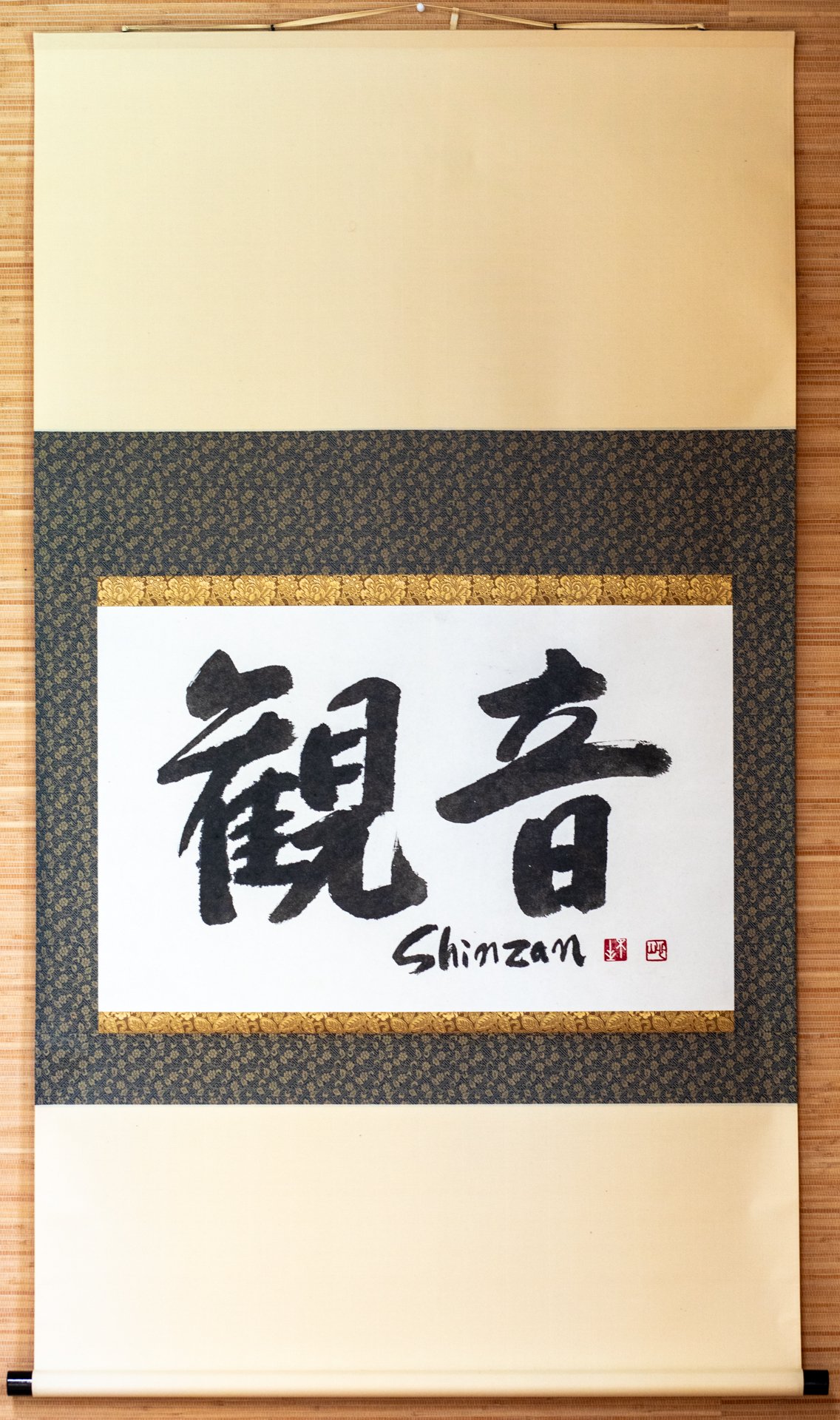
Kannon
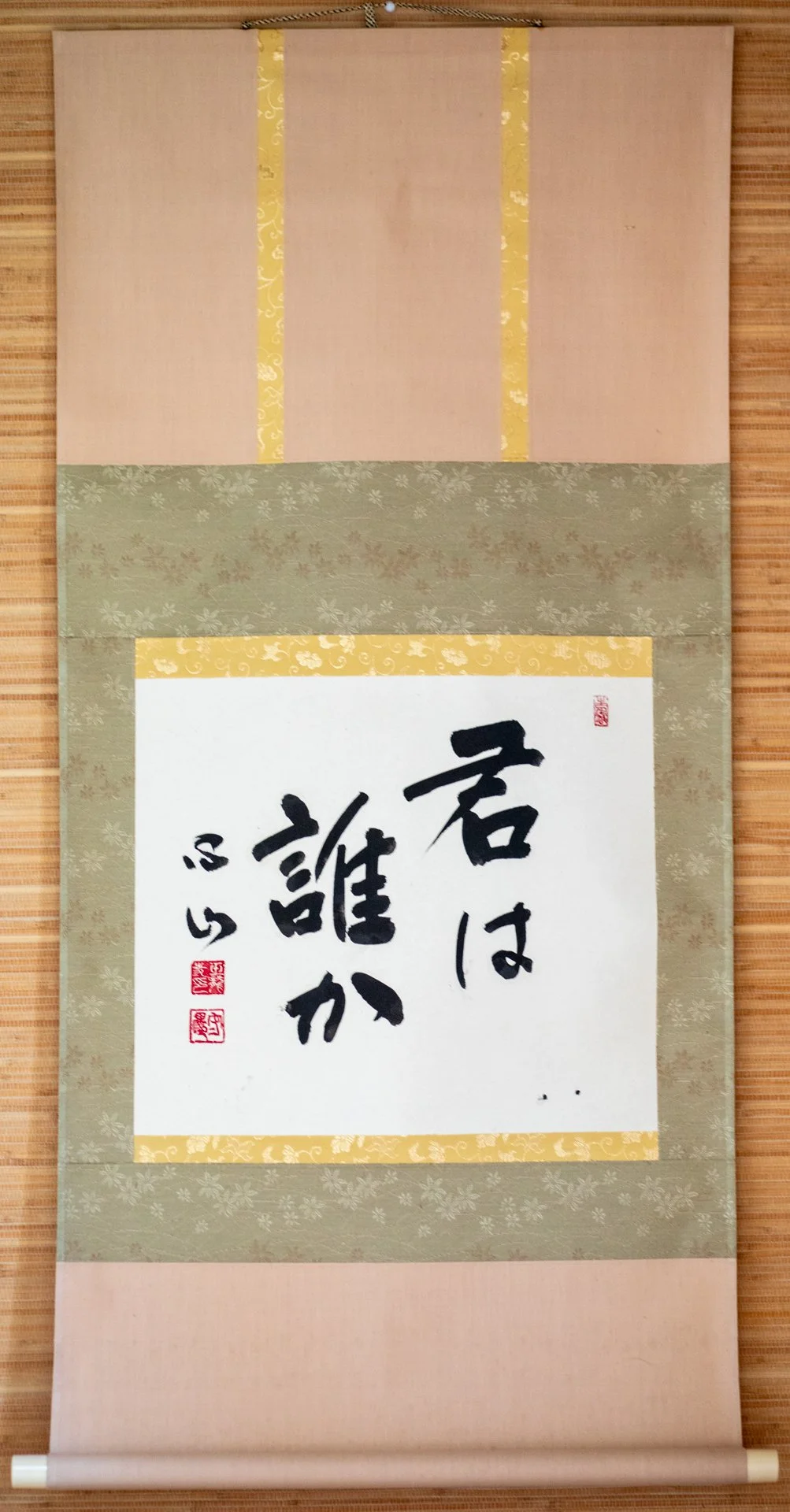
Who are you? - Kimi wa dare ka
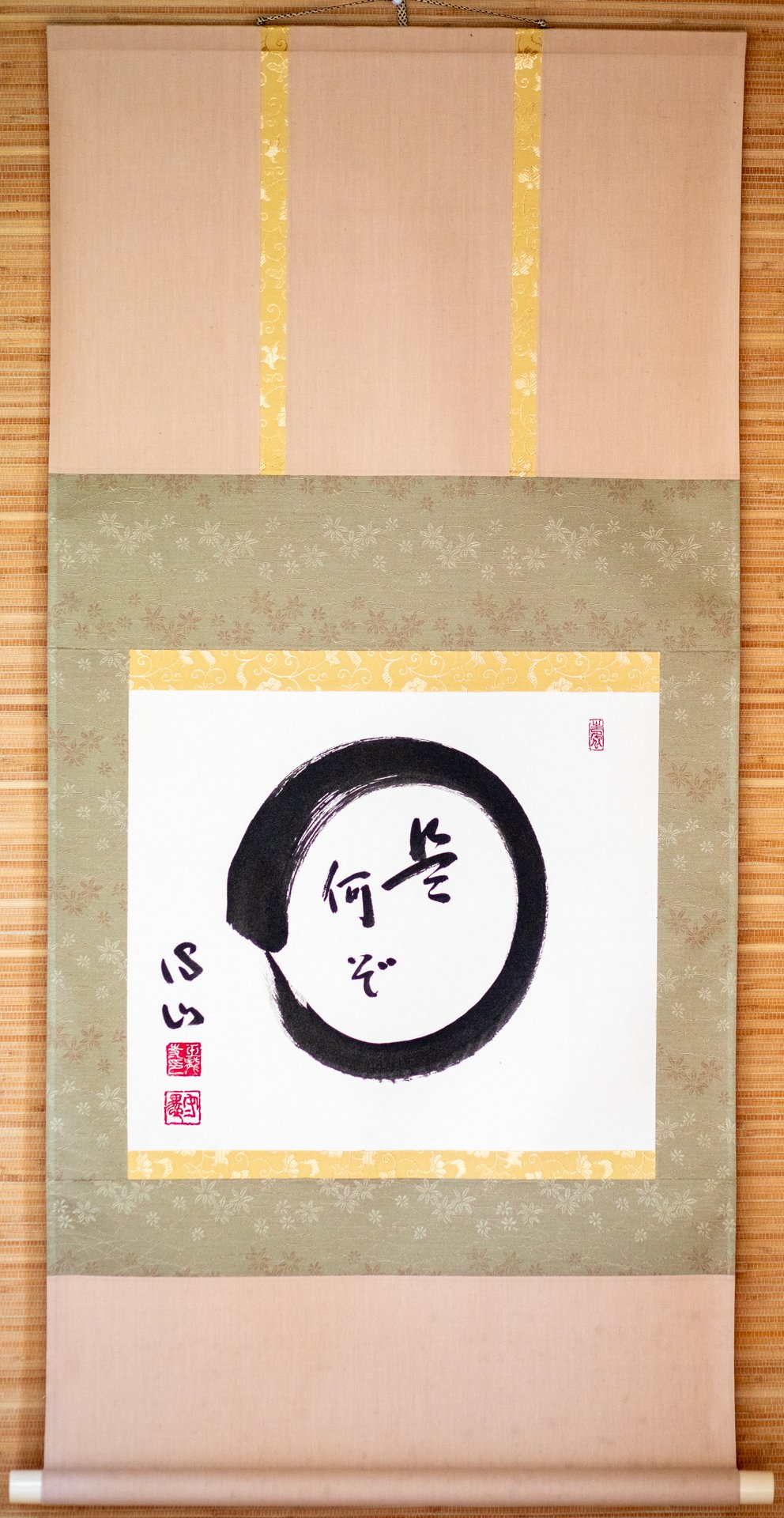
What is this? - Kore nanzo
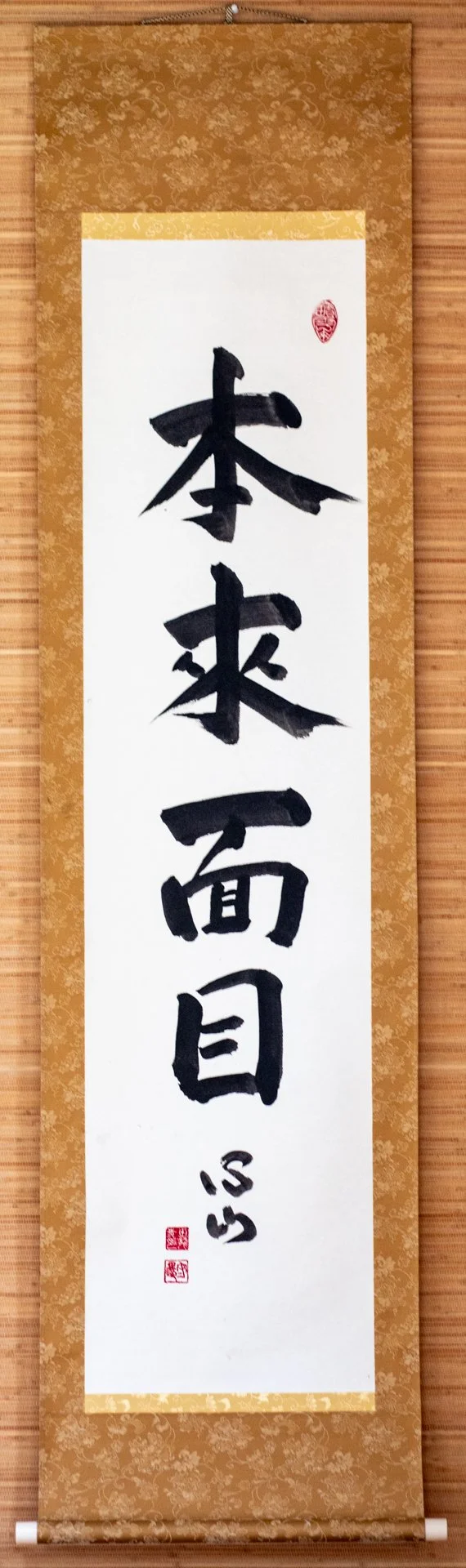
What is your true nature - Honrai menmoku
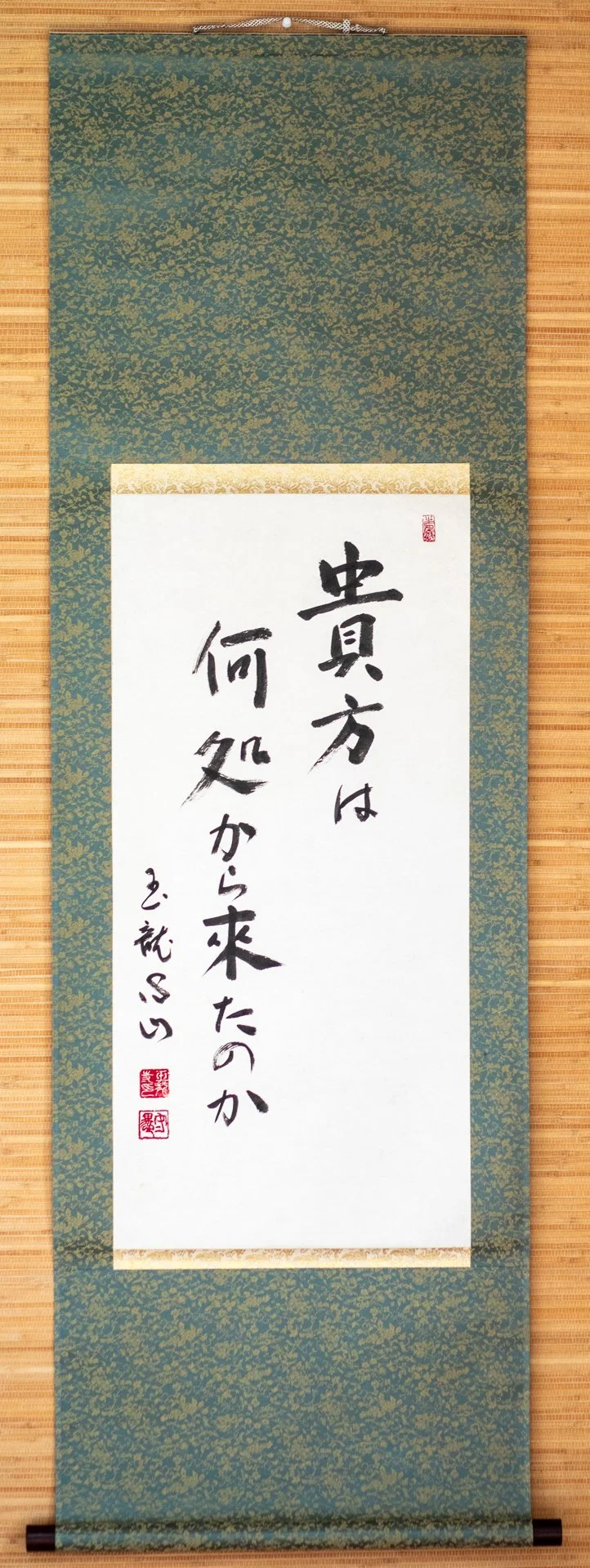
Where are you from? - Anita ni doko kara kits no ka
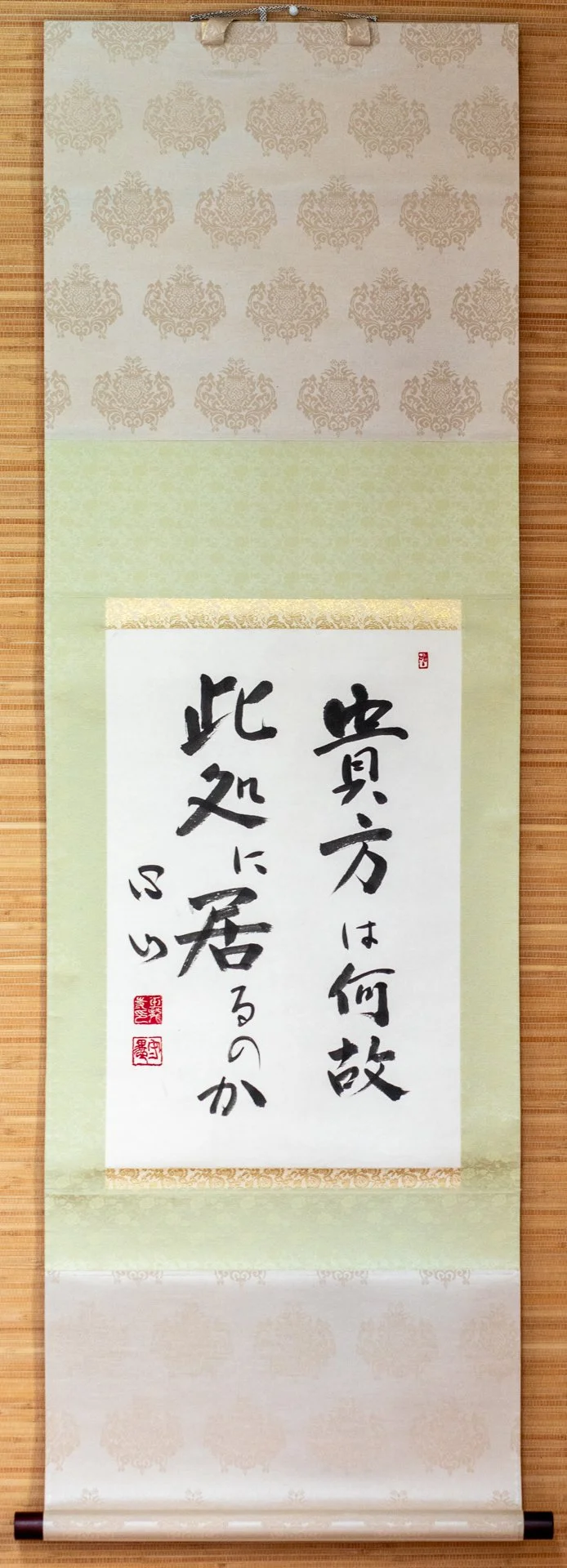
Why are you here? - Anata wa naze koku ni iru no ka